Understand your COPD medications to breathe easier

Don’t let COPD rule your life. Get to know the facts about how your medications can help you breathe better. Plus, learn tips for staying on top of them.
If you have chronic obstructive pulmonary disease (COPD), you know how uncomfortable the condition can be. Medications can help ease symptoms like coughing, wheezing, and shortness of breath. The key is taking them as instructed by your doctor.
The types of COPD medications you take will depend on your symptoms and how often they flare up. Learn about some of the most common ones here. Plus, find advice for getting the most out of them.
Common COPD treatments
Bronchodilators
Bronchodilators are used to control or reduce the effects of COPD. They relax the muscles around your airways. That opens them up so you can breathe easier. There are two types of bronchodilators:
- Short-acting: These are also sometimes called fast-acting or rescue inhalers. Short-acting bronchodilators are used when symptoms first appear. They work for about 4 to 6 hours. Some ease symptoms within 3 to 5 minutes. If your symptoms don’t get better with treatment, or if they get worse, call your doctor. Get care right away if you have any of these symptoms:
- Inability to catch your breath
- Severe blueness of your lips or fingernail beds
- Rapid heartbeat
- Chest pains
- Confusion
- Long-acting: These are usually taken once or twice every day. They help stop breathing problems before they start. They work for about 12 to 24 hours.
Bronchodilators can be given in the form of an oral pill. Most are taken using an inhaler. This is a handheld device. It allows you to breathe in the medicine so it’s delivered to your lungs. Ask your care team to show you the right way to use your inhaler.
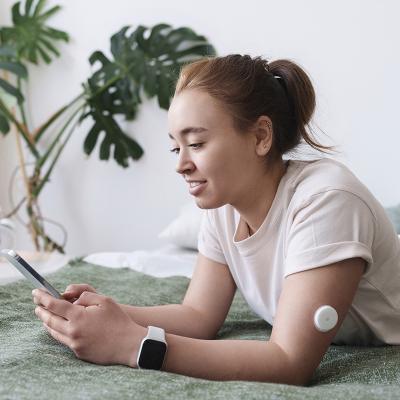
Our free app makes navigating a diagnosis easier
You have access to no-cost programs for managing diabetes, cancer, COPD, and more through the Wellframe app. Get started today with access code: cncstartwsqb.
Inhaled corticosteroids
Do you have daily flare-ups? If so, your doctor may prescribe an inhaled corticosteroid. These are steroids that help improve lung function. Regular use can reduce how often you have flare-ups. They are usually used daily.
How to get the most out of your medicine
Taking the right medicine at the right time can help you keep your COPD under control. Here are some simple tips for sticking to your treatment plan.
- Pair your medicine with another habit. That can make it easier to remember to take them. For example, plan to take your meds at set times each day. Some ideas: while you’re brewing the coffee or making breakfast. Or give your pet a treat at the same time you take your meds. You might forget, but they won’t. And when they beg for a treat, that’s your cue!
- Set reminders. Your plan comes with a smartphone app called Wellframe. It has a built-in tool you can use to set as many digital reminders as you need. Plus, there’s a tracker tool to help you keep tabs on your health goals.
- Ask about automating your refills. Many pharmacies have text alert programs or automatic refills to help make sure you always have your medicine on hand. You might also be able to set up mail or home delivery. Ask about bigger refills, too. Switching from a 30-day refill to a 90-day refill means lower odds you’ll run out.
- Don’t let the cost stop you. If you’re worried about the price, ask about lower-priced options. Generic brands are usually cheaper and work just as well.
- Check in with how you feel. Are side effects getting in the way of daily life? Talk to your doctor. They might be able to change your prescription or dose to help you feel better.
Try these lifestyle tips to help you breathe easier.
Medications are key to managing your COPD. But the right lifestyle habits can also lower your risk of flare-ups and just help you feel better. Try these to start:
- If you smoke, make a plan to quit. Long-term cigarette smoking is the biggest risk factor for COPD. E-cigarettes and vaping devices can also harm your lungs. If you’re ready to quit, your Wellframe app can help. Use the chat tool to ask your care team about a smoking cessation program. It’s covered by your plan.
- Practice pursed-lip breathing. This simple breathing exercise helps improve breathing patterns. Start by breathing in slowly through your nose for 2 counts, keeping your mouth closed. Then pucker your lips as if you’re about to whistle. Breathe out slowly for 4 counts.
- Exercise regularly. Staying active can improve how well your lungs work. Before starting an exercise program, check with your health care provider. In general, you should slowly work up to 20 to 30 minutes at least 3 to 4 times a week. A 20-minute walk once a day could make a difference.
- Avoid high or low temperatures. Heat and cold can make your symptoms worse.
When you combine taking your meds regularly with helpful lifestyle changes, you’ll feel better — and more in charge of your health. That goes a long way toward managing COPD well so you can keep living the life you love.
Sources
-
“Pursed Lip Breathing.” Cleveland Clinic. Reviewed January 6, 2023. https://my.clevelandclinic.org/health/treatments/9443-pursed-lip-breathing
-
“COPD.” Mayo Clinic. April 30, 2024. www.mayoclinic.org/diseases-conditions/copd/symptoms-causes/syc-20353679
-
“Chronic Obstructive Pulmonary Disease (COPD).” Centers for Disease Control and Prevention. June 30, 2023. www.cdc.gov/copd/index.html
-
“Does Humidity Affect COPD?” The Lung Institute. https://lunginstitute.com/humidity-copd